

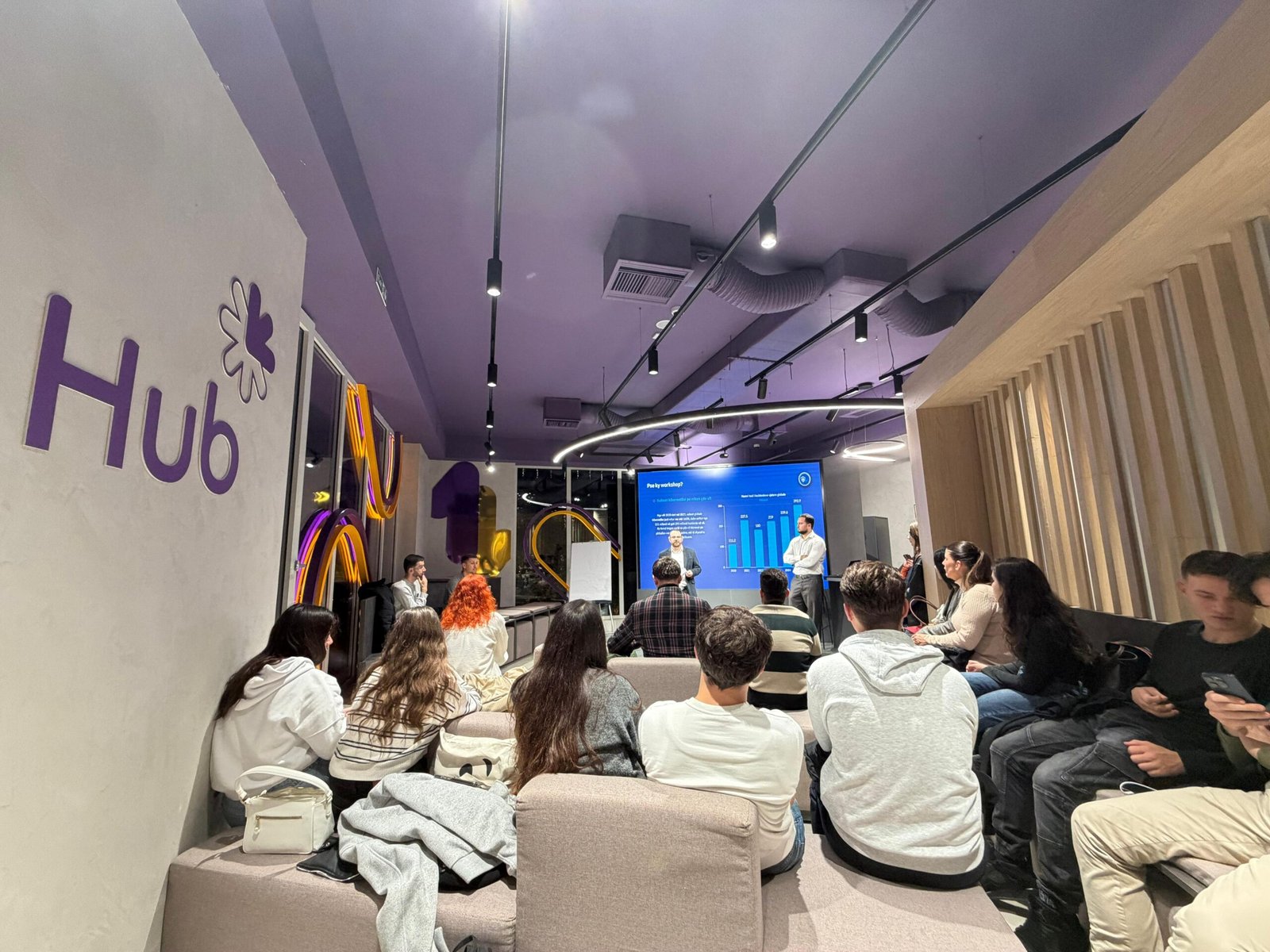
Albania’s startup scene is expanding at impressive speed, and with that growth comes a sharp rise in exposure to cyber threats. To tackle this head-on, AlbaniaTech, in collaboration with the National Authority for Electronic Certification and Cyber Security (AKSK), NomadTech, ONE Albania, and Business Magazine, organized the hands-on workshop “Cyber Ready” – a practical session aimed at showing founders and technical teams exactly what puts young companies at risk and how to avoid the most common security mistakes in the early stages.
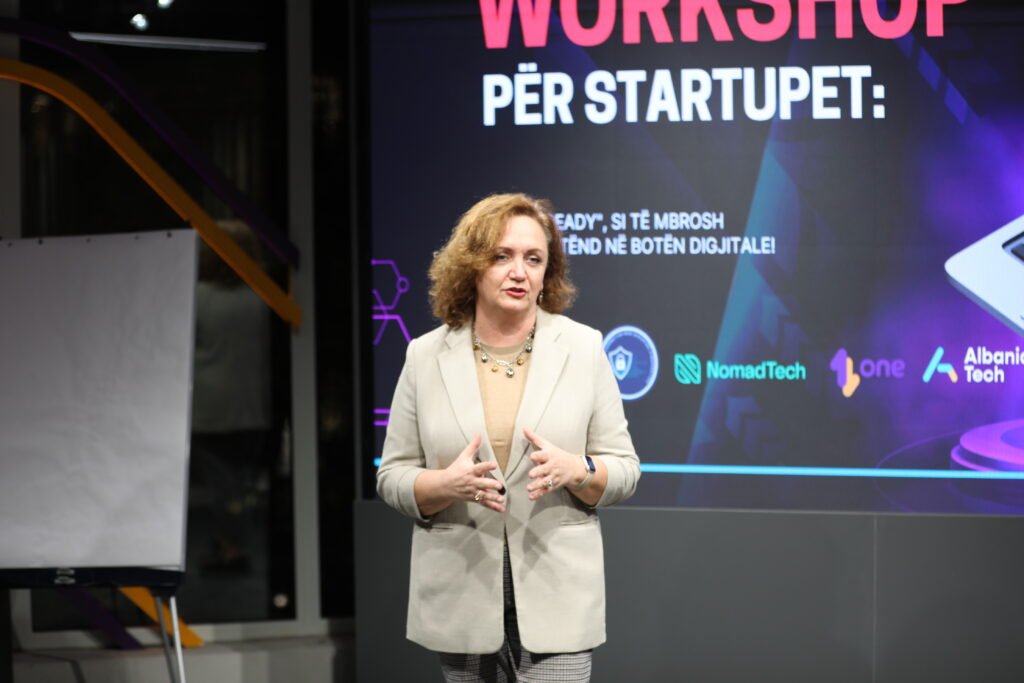
Floreta Faber, Deputy Director of AKSK, set the tone at the opening: “In Albania we are creating a fantastic startup ecosystem, but rapid growth must never come at the expense of security. A single cyber incident can destroy months or even years of work – that’s why security is not an option; it is a fundamental obligation for every founder.”
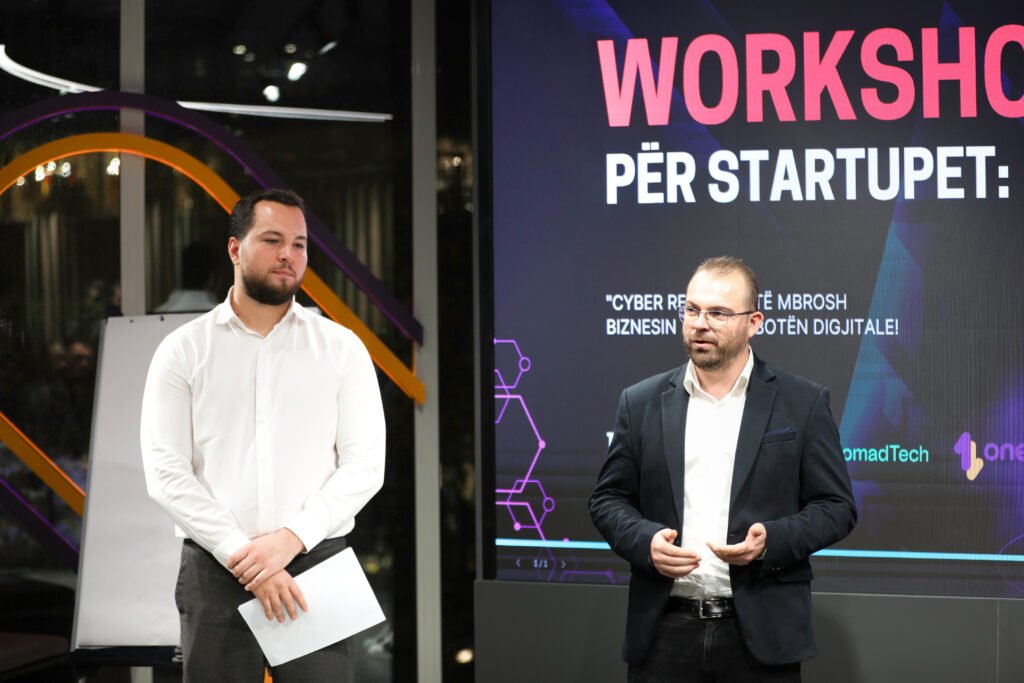
AKSK experts Arbri Muça and Erand Elmazi delivered a sobering yet empowering overview: the overwhelming majority of incidents do not come from complex technology or sophisticated attacks, but from human weaknesses and the absence of basic security practices.
Global and local studies confirm that 82–90% of cyber incidents start with careless user actions – unsafe clicks, weak passwords, sharing information over unsecured channels, or missing internal processes. For startups that move fast with small teams and a laser focus on growth, these seemingly minor oversights can become catastrophic threats.
Participants were given concrete tools to spot vulnerabilities in their teams, online accounts, work devices, and the public digital footprint their businesses leave behind. The experts pointed out recurring problems seen in Albanian startups: cloud accounts without Multi-Factor Authentication (MFA), excessive administrator privileges, exposed databases, backups that are never tested, no internal policies, personal laptops running outdated software, and sensitive documents shared via WhatsApp, Messenger, or regular email.
The core message of the workshop was clear: security does not begin with technology – it begins with team culture. Training staff to recognize phishing, using strong and properly managed passwords, closing unused accounts, and defining clear access roles are low-cost or no-cost steps that deliver immediate risk reduction.
A major segment focused on the “Security by Design” principle – building security into the product architecture from day one. The experts shared the essential rules every startup should follow:
- Grant access only to what is absolutely necessary (least privilege)
- Separate system components to limit the blast radius of a breach
- Validate every user input
- Encrypt sensitive data at rest and in transit
- Implement logging and monitoring from the earliest development phases
Attendees also learned exactly what to do in the first 15 minutes of an incident – the moments that often decide a company’s survival: isolate the affected device from the network, do not delete anything out of panic, determine if the issue is isolated or widespread, notify the technical team immediately, and contact AKSK for serious incidents. Even a few lines documenting what was noticed, when, and the type of problem can be crucial for recovery.
The technical part drilled down into securing websites, APIs, and internal communication. Tools like Wappalyzer and SecurityHeaders.com were demonstrated live so startups can instantly check the technologies and server security configurations they use. Discussions covered encryption, trusted WordPress plugins, server-side input validation, removing API keys from public repositories, rate limiting to prevent abuse, and setting up SPF, DKIM, and DMARC to protect company domains from spoofing and phishing.
Secure internal communication received special attention: use encrypted channels for sensitive information, never send passwords via email or WhatsApp, and treat security as a growth enabler, not an afterthought.

Through this workshop, AlbaniaTech and its partners delivered practical, understandable, and immediately actionable knowledge tailored to Albanian startups. As the country’s innovation ecosystem continues its rapid rise, building a strong security culture is becoming a non-negotiable pillar of sustainable development.
The experts’ closing message was unmistakable: Digital protection is not just a technical matter – it is part of your business growth strategy and an investment that saves time, money, and reputation.
0 comments