

The latest episode of Think Big, broadcast live on BusinessMag’s social media channels, was not just a conversation about real estate. It was a story about timing, intuition, risk, and that difficult moment when you decide to move forward even when no one else seems to be looking in the same direction.
In 2009, she took her first serious step alongside a major international brand — not by chance, but as a necessary structure to learn the standards.
“In 2009, the first office opened as part of the Century 21 franchise system.”
But what defined the beginning was not the logo. It was the confrontation with the reality of a market that needed formalization.
“The biggest challenge was definitely the formalization of the market.”
She then emphasized one of the issues that undermines the value of the market — not only economically but also reputationally: confusion.
“Market education is the most important part of the work we need to do. The market has distortions due to the lack of fast transactions; out of fear that a property might not sell, the same property is listed with multiple agencies, creating cacophony and confusion.”
In an industry where “luxury” is not just about price but clarity and process, this kind of chaos is exactly what a premium client will not tolerate.
Standard: the American model, European discipline
When the discussion turned to reference models, Ilda did not speak in generalities. She outlined the concrete elements that make a healthy market: training, organization, property handling, transparency, and transaction closure.
“I believe the American model is the best example to follow in real estate — in how agents are trained, how businesses are organized, how properties are handled, transparency in property history, and how transactions are closed.”
And closer to Europe, she pointed to Belgium as a model of professionalism tied to responsibility, not image:
“In Belgium, to be called a real estate agent you must complete a two-year formal education.”
She then defined a “good agent” not as someone who simply knows how to sell, but as someone with an entrepreneurial mindset and emotional resilience:
“The most successful agents are those with a strong entrepreneurial spirit, curiosity, passion for people, and most importantly, a deep love for real estate — so much so that even when the industry frustrates them, they never think of quitting.”
Ethics as a competitive advantage: “The Golden Rule”
Some companies talk about values. Others use values as their way of working. For Ilda, this is the core of Capital Point.
“When I did my first training 17 years ago, I heard but didn’t truly understand ‘the golden rule’. Later I realized it meant: don’t do to others what you wouldn’t want done to you. In real estate, this is extremely important because the temptation to break it is very strong.”
Then three words that carry more weight in luxury than any marketing campaign:
“Transparency, integrity, being human.”
Brandan Mativi, co-founder of Capital Point, brought Albania into the conversation — not as an “exotic discovery” but as a country an investor reads through signals: development pace, infrastructure, international interest, and that intangible feeling that comes before measurable data.
“When I first came to Albania, I saw things others didn’t. Albania wasn’t what it is today, and rightly so, people didn’t see it as an investment destination back then.”
His decision wasn’t planned:
“A friend told me: ‘You have to see this place. Something is happening.’ I immediately sensed its huge potential.”
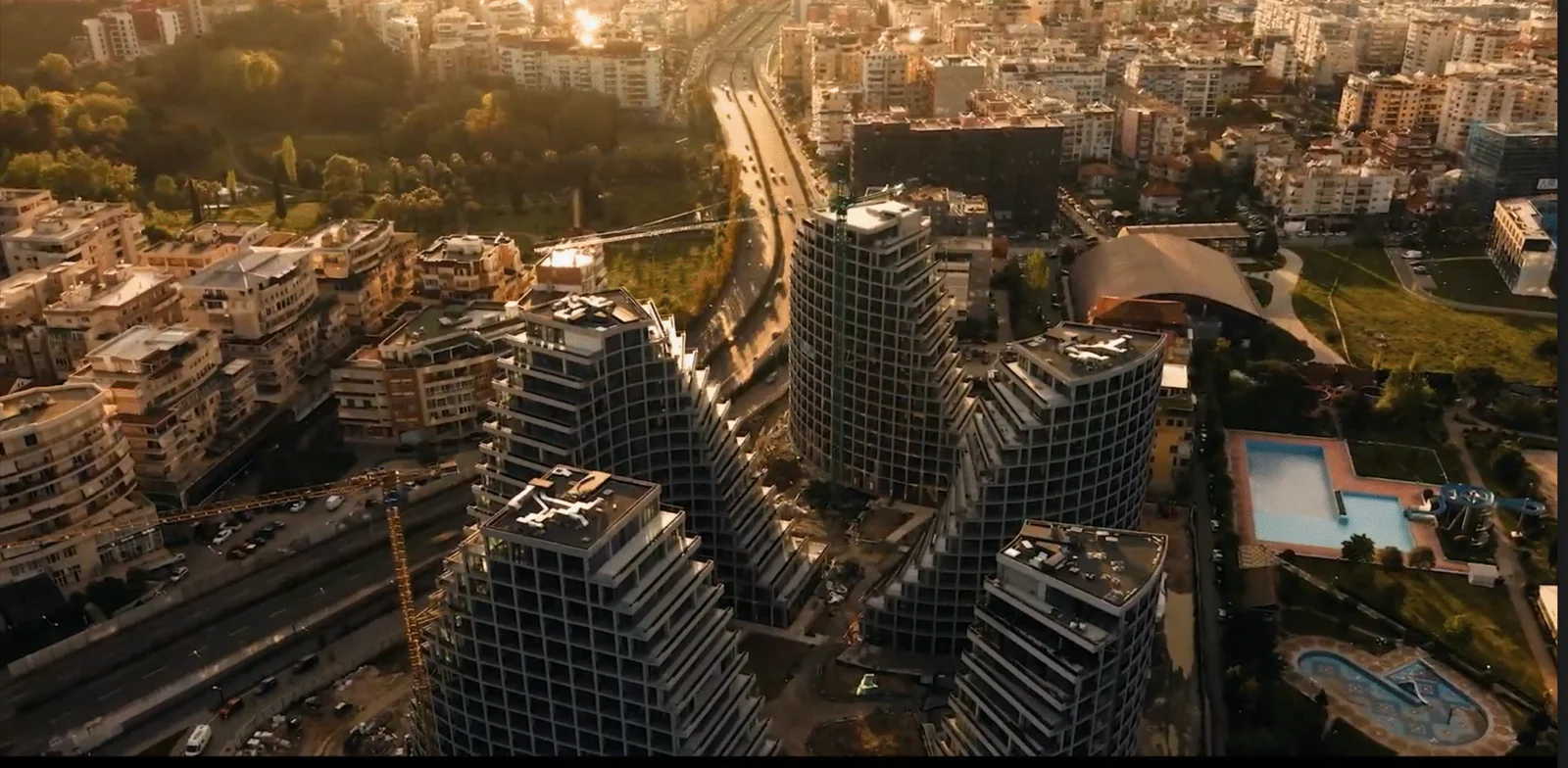
Eight years ago, Albania was an untouched market with clear long-term investment opportunities. Today, the transformation is visible in infrastructure and urban growth:
“Tirana has tripled in size, airports are expanding, and the coast is attracting major international attention.”
A simple but powerful indicator:
“When I first arrived, the airport was almost empty. Today it operates 24/7. That says everything about growth.”
He also highlighted the role of social media:
“Eight years ago, Albania barely existed on YouTube. Today, every platform is filled with content promoting it as a new destination.”
Entering before the boom — and why Forbes had to come now
For Mativi, a true investor doesn’t wait for consensus.
“A real investor enters when they feel something is coming. You have to believe it to see it.”
This mindset led to bringing Forbes Global Properties to Albania before the market was fully “mature”:
“I could have waited two more years, but I didn’t want to. I want Forbes to be known as the brand that put Albania on the luxury property map.”
He described the ripple effect of such a brand: trust, demand, and higher standards.
“In Albania, there is already demand for first-class spaces that the market still cannot fully supply. The buildings being constructed are not mere speculation — real companies are waiting to move in.”
Sustainable luxury: development without excluding the country that creates it
The conversation also touched on responsibility: who benefits from real estate growth and who risks being left behind.
“Albanians will transfer wealth through land. Development must be sustainable so future generations don’t feel they lost their country.”
And an important reminder:
“Tourists don’t want a copy of other places. They want to see authentic Albania.”
For Brandan, this mission is personal:
“I want to be known as an ambassador of Albania’s heritage. I want people to say we were here before the country was ‘ready’ — and stayed to make it a lasting success.”
Capital Point: from daily transactions to a decade-long institution
Ilda admitted that for a long time she was focused on day-to-day deals. But things changed when the vision became bigger than the daily transaction.
“Since meeting Brandan, I started thinking and daring more. I began to reflect on what I wanted to build — for my son, for myself, and for the country.”
This pushed them into the luxury segment and led them to Forbes Global Properties.
“Our vision for the next 5–10 years is to build a company that becomes a reference point for foreign investors looking at Albania.”
Her greatest wish:
“That when I begin to step back, my son is ready to take the reins of an already consolidated company.”
Because, as she said:
“It’s not enough to build beautiful things — you must also create a structure that brings those beautiful things to life.”
0 comments