

Massive skylines, sprawling industries, and crowded streets—each of the following cities is an economic powerhouse in its own right. People often talk about their cultural highlights, but let’s take a closer look at why these places matter so much for business and commerce. Below, you’ll see population figures, estimated GDP, and GDP per capita, along with a short note on why these giant metropolises remain vital to the global economy.
1. Tokyo, Japan
Population: ~37 million
GDP: ~$1.9 trillion (approx.)
GDP per Capita: ~$51,000 (approx.)
Why Tokyo Is Important
Tokyo’s home to major tech, finance, and manufacturing giants, making it a global hub for innovation. Many multinational corporations set up their Asian headquarters here, fueled by cutting-edge infrastructure and robust governmental support. That blend of tradition and forward-thinking drives Tokyo’s dominance across sectors like electronics and automobiles.
2. Delhi, India
Population: ~31 million
GDP: ~$300 billion (approx.)
GDP per Capita: ~$9,700 (approx.)
Why Delhi Is Important
Delhi is the political heart of India and a rapidly expanding economic center. It’s got a flourishing services sector—think IT, telecom, and retail—that draws talent from across the nation. With a massive domestic market and a vibrant startup scene, Delhi is increasingly recognized for shaping consumer trends in one of the world’s fastest-growing economies.
3. Shanghai, China
Population: ~28 million
GDP: ~$600 billion (approx.)
GDP per Capita: ~$21,000 (approx.)
Why Shanghai Is Important
As mainland China’s top financial city, Shanghai houses the country’s largest stock exchange and bustling maritime ports. Global businesses often enter the Chinese market through Shanghai due to its well-developed business environment, extensive trade networks, and strong government incentives. The combination of finance, shipping, and high-tech industries positions Shanghai as one of the world’s most influential urban economies.
4. São Paulo, Brazil
Population: ~22 million
GDP: ~$430 billion (approx.)
GDP per Capita: ~$19,500 (approx.)
Why São Paulo Is Important
São Paulo is Brazil’s financial heartbeat, hosting Latin America’s largest stock exchange (B3). Many multinational corporations maintain operations here, supported by sectors like banking, commerce, and manufacturing. Its significant industrial output, coupled with a dynamic service sector, cements the city’s place as the economic heavyweight of South America.
5. Mexico City, Mexico
Population: ~21 million
GDP: ~$230 billion (approx.)
GDP per Capita: ~$11,000 (approx.)
Why Mexico City Is Important
Mexico City stands at the crossroads of North and South America, boasting huge trade and consumer markets. Financial services, media, and technology firms thrive on the city’s business-friendly climate. Proximity to the United States, combined with a high concentration of skilled professionals, turns Mexico City into a launchpad for brands looking to expand across Latin America.
6. Cairo, Egypt
Population: ~20 million
GDP: ~$180 billion (approx.)
GDP per Capita: ~$9,000 (approx.)
Why Cairo Is Important
Cairo dominates Egypt’s economic landscape, acting as a gateway for trade between Africa, the Middle East, and parts of Europe. The city’s robust construction and real estate sectors benefit from continuous urban expansion. Meanwhile, energy and tourism play growing roles, supported by ongoing projects aimed at modernizing infrastructure and streamlining business operations.
7. Mumbai, India
Population: ~20 million
GDP: ~$310 billion (approx.)
GDP per Capita: ~$15,000 (approx.)
Why Mumbai Is Important
Often called the financial capital of India, Mumbai is where the country’s key stock exchanges (like the BSE) are based. It’s also a major hub for the entertainment industry (Bollywood) and holds a dominant position in sectors like banking and insurance. International firms often set up shop here to tap into India’s expanding consumer base and dynamic talent pool.
8. Beijing, China
Population: ~20 million
GDP: ~$550 billion (approx.)
GDP per Capita: ~$27,000 (approx.)
Why Beijing Is Important
Beijing, as China’s political center, wields significant sway over national policy, making it pivotal for global companies seeking government contracts and approvals. The city hosts some of the largest state-owned enterprises, especially in tech, defense, and telecom. That strong interplay between policy and commerce sparks innovation and big investments in R&D.
9. Dhaka, Bangladesh
Population: ~19 million
GDP: ~$110 billion (approx.)
GDP per Capita: ~$5,700 (approx.)
Why Dhaka Is Important
Dhaka’s booming garment sector connects Bangladesh to global retail giants. Despite infrastructure hurdles, the city remains a focal point for low-cost manufacturing and export-oriented businesses. The youthful demographic spurs local entrepreneurship, while international firms keep an eye on Dhaka for its cost-effective production capabilities.
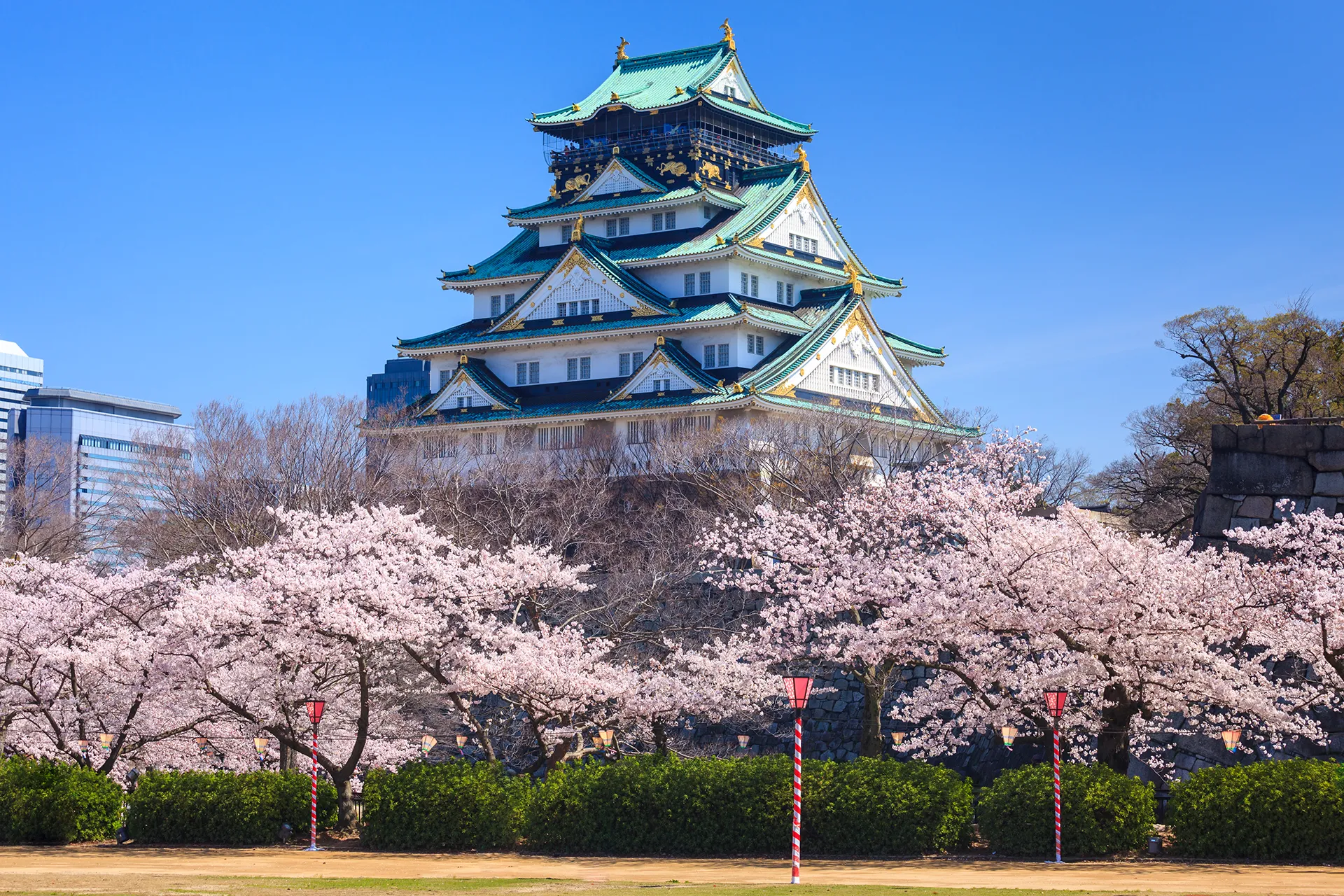
10. Osaka, Japan
Population: ~19 million
GDP: ~$680 billion (approx.)
GDP per Capita: ~$36,000 (approx.)
Why Osaka Is Important
Osaka anchors the Kansai region, a major economic zone that excels in manufacturing, electronics, and pharmaceuticals. It’s home to multinational tech companies and heavy industries, backed by a robust network of suppliers. The city’s strategic location also supports significant domestic and international trade, boosting Japan’s overall economic stability.
0 comments