

At the entrance of Tirana East Gate Mall, amid the usual noise of people walking in and out, a man stood silently. Half-undressed and covered in sticky notes, he said nothing. He explained nothing. He simply stood there while strangers approached and wrote words across his body: “aggressive,” “afraid,” “lonely.”
To some, he looked intimidating. To others, deeply sad. One person saw fear. Another saw aggression. But that was exactly the point of the performance: to show how quickly people create assumptions, even when they do not truly understand what is happening.
The installation was part of the social campaign “Dogs’ True Voice,” created by WellPet.ai. At the center of the experience was one simple but powerful question: “What do you think this dog is feeling?”

The silent “human-dog” figure became a reflection of how often we misunderstand our own pets. Dogs do not communicate with words, but through behavior, movement, reactions, stress, silence, and body language. Yet humans often interpret these signals based on perception rather than what the animal is actually experiencing.
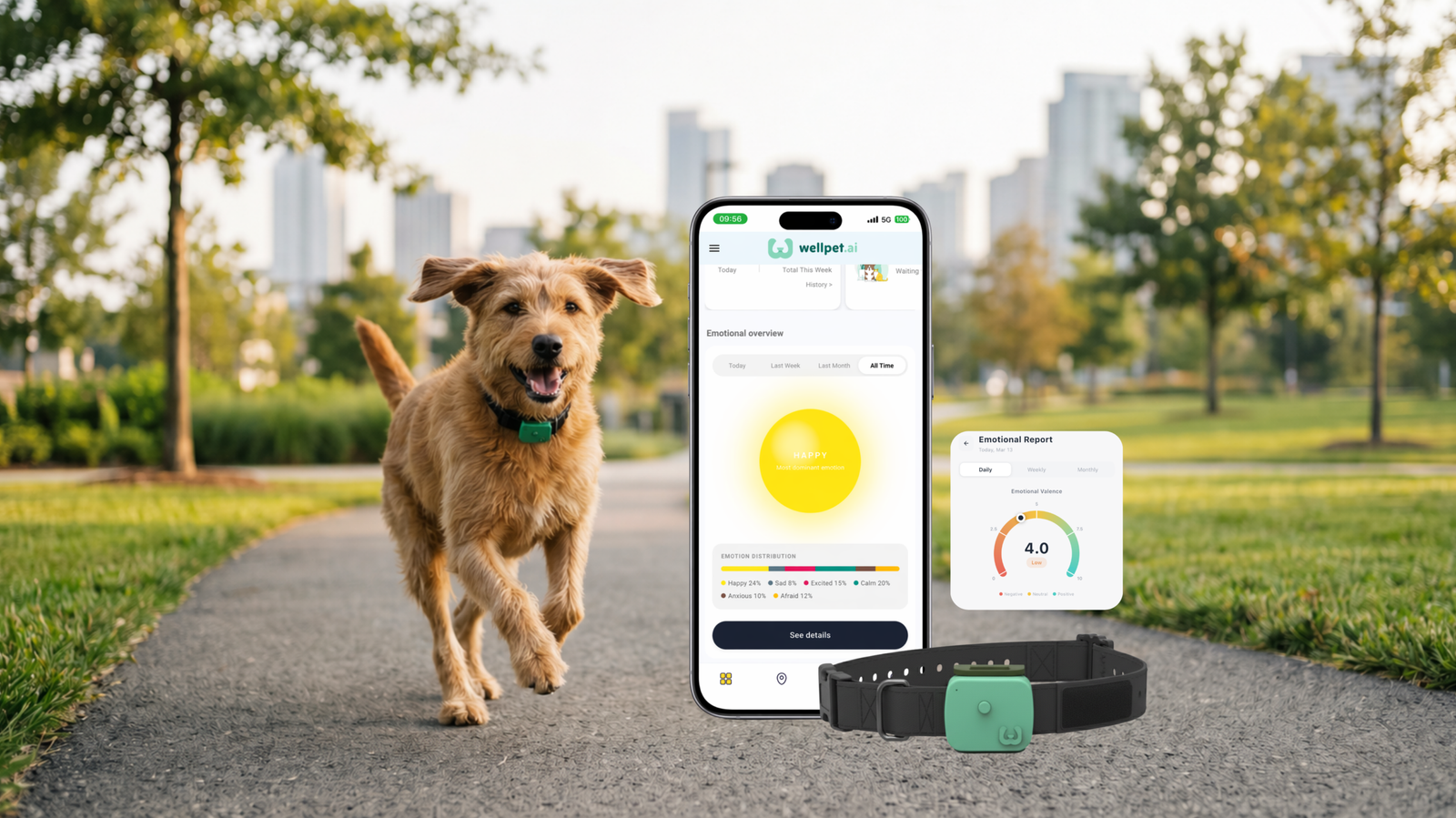
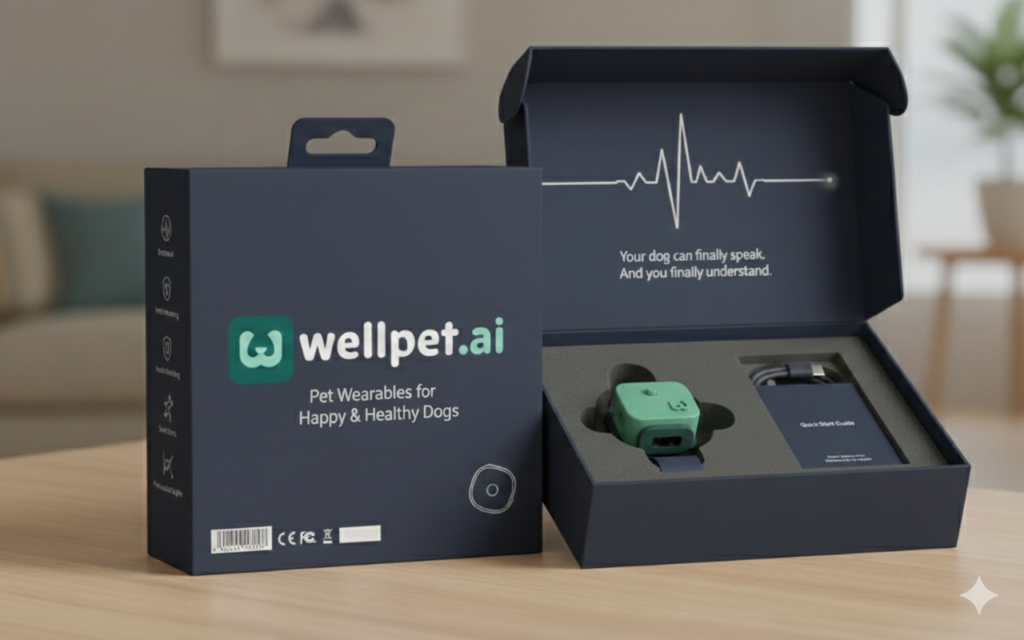
This is where WellPet.ai comes in. Powered by artificial intelligence, the platform is designed to help dog owners better understand the emotional and physical state of their pets. Through a smart collar and mobile app, the system monitors movement, activity, vocal patterns, location, and health indicators, detecting emotional states such as anxiety, stress, excitement, pain, or separation distress.
“With this campaign, we wanted to show how quickly people make assumptions without truly understanding emotions,” said Nikola, CEO of WellPet.ai. “Dogs experience this every single day.”
In the end, “Dogs’ True Voice” was more than just a performance designed to capture attention. It was a reminder that dogs already have a voice, even if they do not speak. And perhaps the real challenge is not teaching them to understand us better, but teaching ourselves to finally listen to them.
0 comments